


Understanding Energy Performance Certificates (EPCs)
Whether you’re a homeowner, landlord, tenant, or business owner, understanding Energy Performance Certificates (EPCs) can help you make smarter decisions about your property, lower energy bills, and improve energy efficiency. In this guide, we’ll break down everything you need to know.
Before you dive in, make sure to watch our short podcast videos with Charlotte and Lewis, where we break down what EPCs actually are, why they matter, and how we makes the whole process simple and fast.
What is an EPC?
You know the colourful energy rating labels you see on appliances like washing machines and fridges? An EPC is basically the property version of that.
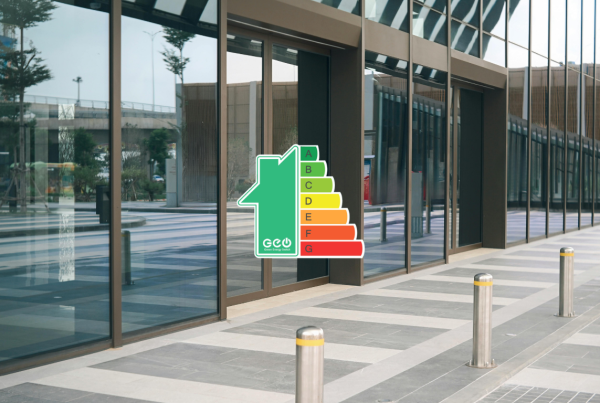
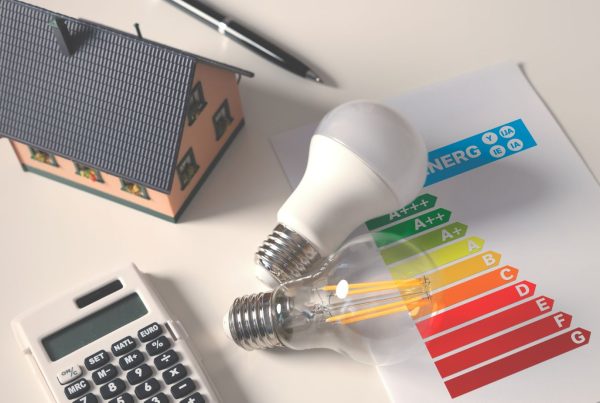
An EPC is a legal document that shows how energy efficient a property is, giving it a rating from A to G. An A-rated property is the most energy efficient, while a G-rated property is the least efficient. It provides valuable information about the building’s energy consumption and carbon emissions. EPCs also provide recommendations on how a property could improve its energy performance, helping homeowners, landlords, and businesses reduce energy use and lower bills.
Why are EPCs important?
EPCs are more important than ever. With energy prices continuing to rise and more focus on sustainability, buyers and tenants are paying much closer attention to energy efficiency when choosing a property.
Properties with higher EPC ratings are often more appealing to buyers and tenants because they usually cost less to heat and run.
Want to learn more about the benefits of EPCs? We’ve got a separate blog breaking it down in more detail here.
For landlords, they’re also essential for staying compliant with regulations. Most properties need a minimum EPC rating of E before they can legally be sold or rented out.
We have a guide specifically for landlords here. Explaining why EPCs are so important for compliance, tenant appeal, and improving property value.
Are EPCs a legal requirement?
If you’re selling or renting out a property, you legally need a valid EPC.
Check if you have a valid EPC now
This applies to both domestic and commercial properties, and in most cases the property must achieve at least an E rating.
Failing to comply can result in fines and delays when selling or renting out your property.
How long is an EPC valid for?
An EPC is valid for 10 years.
However, many people choose to get a new EPC sooner if they’ve made improvements to the property, such as adding insulation, upgrading windows, or installing a new heating system.
That’s because the EPC recommendations section can be really useful. It shows what improvements could increase your rating and estimates the potential savings too.
This can be especially helpful for landlords and housing providers trying to improve compliance and stock conditions across their housing portfolio.
We specialise in large-scale EPC projects, so if you’re a landlord or housing association, check out our fully managed EPC service designed to make managing multiple properties simple and stress-free.
How does the EPC process work?
An assessor will visit your property to carry out a non-invasive survey, which usually takes around an hour depending on the size of the property. Some assessors use software called RdSAP Go, which allows them to input the data during the visit. This can make the appointment slightly longer, but it usually means you’ll receive your EPC quicker afterwards. Others may take photos and measurements during the visit and complete the paperwork later, resulting in a shorter appointment but a slightly longer wait for the EPC to be lodged. The process is usually straightforward and causes very little disruption.
For homes, assessors are called Domestic Energy Assessors (DEAs). For commercial buildings, they’re known as Non-Domestic Energy Assessors (NDEAs).
During the visit, they’ll look at things like windows and glazing, insulation, heating systems, lighting, as well as property size and layout. The assessor then enters the information into specialist software, which creates the EPC rating and recommendations report.
How are EPC ratings calculated?
For domestic properties, assessors use something called SAP (Standard Assessment Procedure). This is the government-approved method used to measure the energy efficiency of homes in the UK.
For existing homes, assessors use a version called RdSAP, which stands for Reduced Data SAP. This is a quicker and more cost-effective way of assessing properties without needing to collect every tiny detail.
The newest version, RdSAP 10, was introduced in June 2025. This includes updated ways of assessing homes and collecting data.
Commercial properties use a different system called SBEM. But we’ll save the technical details on this for another day!
How can you improve your EPC rating?
Your EPC will include recommendations to help improve your property’s energy efficiency, potentially increasing its rating, lowering bills, reducing carbon emissions, and making the property more attractive to buyers and tenants.
Some improvements can be simple and low cost, such as switching to LED lighting, improving insulation, draught proofing, and upgrading heating controls. Larger improvements, like renewable energy systems or heating upgrades, can also make a big difference.
Commercial EPCs
Commercial EPCs work slightly differently to domestic ones, but they’re just as important.
Commercial property owners usually need an EPC when selling, renting, constructing, or significantly modifying a building. They also rate from A to G and are valid for 10 years.
Because commercial buildings can vary so much in size and usage, Commercial EPCs are often more complex and require specialist assessors.
Want to learn more? Check out our dedicated Commercial EPC blog for more information.
How can we help?
Here at Green Energy Switch, we offer an affordable, fully managed EPC service for both domestic and commercial properties, helping you stay legal and compliant.
Whether you’re a homeowner, private landlord, housing association, estate agent, or business owner, we’re here to make the process simple, fast, and hassle-free.
Or get in touch with our team to find a solution tailored to you.
Are you a DEA?
Join our network of assessors now
ABOUT US
Green Energy Switch (GES) delivers a broad range of energy services across the UK; specialising in working with social landlords and local authorities. Established in 2006, GES is a subsidiary of environmental charity PECT. We gift-aid any profits to PECT to help fund their vital work. In doing so, we are the lead sponsor of their Forest project. So far over 131,000 trees have been planted, equating to a remarkable reduction of over 1,300 tonnes of carbon emission.



2 Comments